Skip to content
Search
Popular Products
Spawn Fly Fish
Articulated Shanks in Multi Lengths
$5.25
Flymen Fishing
Fish-Skull Next Generation Articulated Shank
$8.95
Flymen Fishing
Next Generation Micro Shank
$8.95
Partridge
V1SS Waddington Shank
$9.45
Firehole Outdoors
Straight Shanks
$7.95
Flymen Fishing
Fish-Skull Senyo's Articulated Shank
$9.95
homepage-hero-7

Fly Tying

Browse our library of articles for patterns, tutorials, reviews, expert advice, and more from seasoned anglers and fly tyers.

Popular Topics

Fly Tying Hooks

Your Ultimate Guide to Choosing the Right Fly Tying Hooks

Learn hook uses for dry flies, nymphs, streamers, and more to elevate your fly tying at J. Stockard Fly Fishing.
Fly Tying Hook

Understanding Every Aspect Of A Fly Tying Hook

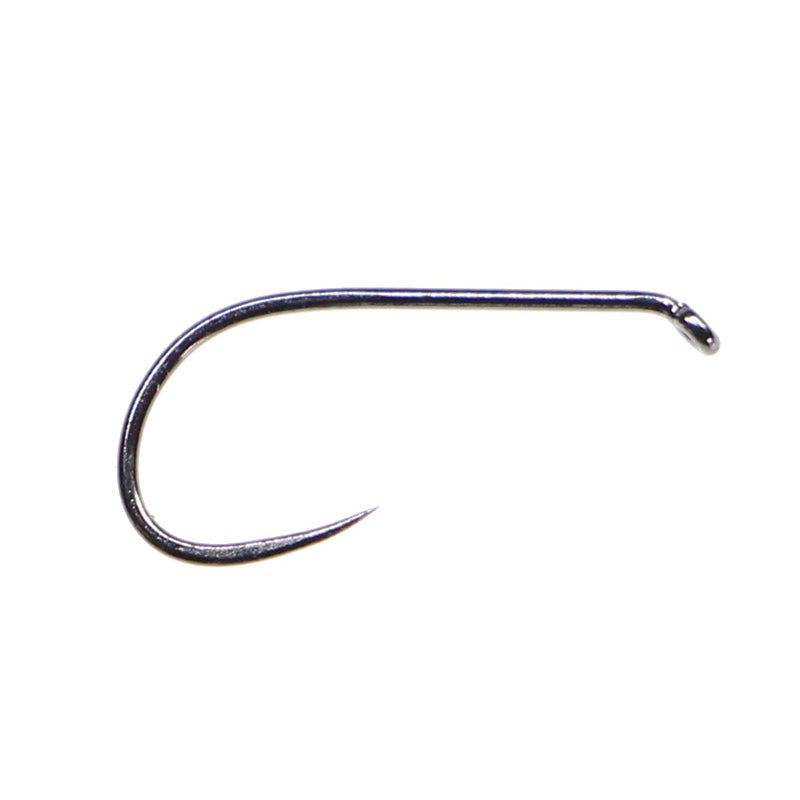
Most fly tyers select hooks based on size and style alone, without fully understanding the nuanced anatomy that makes each hook perform differently in a fly. Read on:  The Essential Components Of Fly Tying Hooks The Eye The eye is where your tippet or leader connects to the hook, and its orientation significantly affects fly presentation. Up-eye hooks (common in dry flies) help the fly ride higher on the water's surface. Down-eye hooks are versatile workhorses used in nymphs and wet flies, while straight-eye hooks offer neutral positioning ideal for streamers and certain specialty patterns. The eye's shape matters too. Ring eyes are standard, but looped eyes provide extra strength for larger patterns.  See Product See Product See Product The Shank The shank is the straight section between the eye and the bend. Its length dictates your fly's profile and silhouette. Standard shank hooks match traditional proportions, while long shank hooks (2X, 3X, or even 4X long) let you tie extended-body patterns like streamers and damselfly nymphs. Short shank hooks are perfect for compact patterns like scuds and eggs. The shank's weight also varies. Standard wire works for most applications, but heavy wire (2X or 3X heavy) helps nymphs sink faster and is needed for toothy critters, while light wire (1X or 2X fine) keeps dry flies floating delicately. The Bend The bend is where the hook curves, and it's crucial to hook-setting success. Round bends offer classic proportions and reliable hooking. Wide gape bends create more space between the point and shank, improving hook-up ratios on short strikes or oddly shaped patterns such as crabs and crustaceans. Continuous bends flow smoothly from shank to point, while offset bends feature a slight twist that can improve penetration. Popular bend styles include: Sproat bend: Wide and round, excellent for dry flies Aberdeen bend: Long, sweeping curve with light wire, perfect for live bait and delicate presentations where you want minimal damage Round bend: Classic semicircular shape, versatile for nearly any pattern from dries to nymphs Bend Back: Sharp reverse angle that brings the point back toward the shank, designed for weedless fishing through heavy cover Limerick bend: Gradual curve, great for wet flies and nymphs York bend: Tighter curve, ideal for smaller patterns The Ultimate Guide To Fly Tying Hooks Read more Choosing the Right Hook Size for Every Fly Read more The Point The business end of any hook, the point must penetrate quickly and hold securely. Needle points are extremely sharp but can dull quickly. Spear points offer a good balance of sharpness and durability. Rolled points turn slightly inward for better penetration, while hollow points create a cutting edge that slices through tough jaw tissue. Premium hooks often feature chemically sharpened points that are sharper than mechanically sharpened alternatives and maintain their edge longer. The Barb The small projection below the point, the barb prevents the hook from backing out. While traditional barbed hooks offer security, many trout anglers prefer barbless hooks or pinch down barbs for easier catch-and-release (and hook removal should you pin yourself or your boat buddy!). Micro-barbed hooks split the difference, offering some holding power with less fish damage. The Gape The gape is the distance between the point and the shank. The 'gap' in essence. Wider gapes improve hooking percentages, especially on fast-striking fish or patterns with bulky bodies such as crab and crustacean patterns. Narrow gapes work well for sparse patterns where you want the hook to remain subtle but you might compromise on hook-up rates. Gape is an on-going debate among fly-fishers and one of those things that comes down to confidence... You know what we mean - fish something with confidence and it works.  Matching Hooks to Patterns Understanding anatomy helps you select the perfect hook for each fly. Delicate mayfly emergers demand light-wire, wide-gape hooks with up-eyes. Weighted stonefly nymphs need heavy-wire, long-shank hooks with down-eyes. Streamers benefit from stout, straight-eye hooks with generous gapes. Now is a great time to stock up on Fly Tying Hooks:  SHOP THE HOOK SALE
Ahrex AFW554 CZ Mini Jig Fly Hook

How the Ahrex AFW554 Refined Jig Nymph Tying

Discover why the Ahrex AFW554 jig hook excels for Euro nymphing. Complete guide includes 3 proven patterns, tying tips, and technical specs for success.
Fly Tying Hooks

How To Build a Versatile Fly Tying Hook Collection

Not all hooks are created equal—and the right one can make or break your fly. In this guide, we break down essential hook models from Mustad, Tiemco, and Umpqua to help you build a smart, versatile collection that covers everything from size 26 midges to saltwater streamers.
fly tying hook sizes

Choosing the Right Hook Size for Every Fly

Selecting the right hook size is a crucial step in fly tying and fly fishing success. The size and shape of a hook will determine how well your fly imitates natural prey, how well it floats or swims and, ultimately how effectively you hook and land fish.  This fly hook size guide will help you navigate the numbering system, choose the best hooks for different fly patterns, and avoid common mistakes so you can tie better flies and catch more fish. Understanding Hook Sizes Before actually selecting a hook, you'll need to understand how hook size works. The sizing numbering system can be confusing at first, but once you grasp the basics, you’ll be able to match hook sizes to different fly patterns confidently. Fly Hook Sizing Hook size follow a reverse numbering system—the larger the number, the smaller the hook (e.g., a size 20 hook is much smaller than a size 2). Hooks larger than size 1 are labeled with an “aught” (/) system, such as 1/0, 2/0, or 3/0, where bigger numbers indicate bigger hooks. Hook thickness varies, with standard, heavy-wire, and light-wire hooks designed for different fly types.  Heavy-wire hooks are ideal for strong fish and sinking patterns, while light-wire hooks keep dry flies buoyant. Choosing the right hook size ensures that your fly maintains proper proportions and an effective presentation in the water. Fly Hook Size Guide – Choosing the Right Hook for Each Fly Type Selecting the proper hook size is essential for tying flies that closely match natural insects and baitfish. Using the right size helps improve your presentation, ensures effective hook sets, and ultimately increases your success on the water. Here’s a breakdown of the ideal hook sizes and wire gauges for different fly types and fishing situations. Dry Fly Hook Sizes Small mayfly and midges: Size 18–24Medium mayfly, caddisfly, and terrestrials: Size 12–16 Large mayfly and attractor patterns: Size 8–10 Lighter wire hooks help maintain buoyancy. Popular dry fly hooks: Look for Tiemco, Daiichi, and Mustad dry fly hooks, which are designed with fine wire and standard-length shanks. See Product See Product See Product Nymph and Wet Fly Hook Sizes Nymphs and wet flies imitate underwater insects, making hook weight and shape crucial for proper drift and sink rates. Small nymphs and emergers: Size 16–22Standard mayfly, stonefly, and caddis nymphs: Size 10–14 Larger nymphs and wet flies: Size 6–8Heavier hooks (2X or 3X heavy wire) help nymphs sink faster, while lighter hooks keep emergers in the surface film. Different nymph styles require curved, straight, or long-shank hooks to best match the natural insects they imitate. Streamer and Large Fly Hook Sizes Streamers and large baitfish imitations require strong, durable hooks that can handle aggressive strikes. Standard trout and bass streamers: Size 4–10 Large articulated streamers: Size 2–6 Saltwater and predator flies: 1/0 to 6/0. Hook strength considerations: Predator flies demand 2X or 3X strong wire hooks to prevent opening or even breaking under pressure. See Product See Product Matching Hook Size to Target Species Different fish species have unique feeding behaviors and mouth structures, influencing the best hook sizes for each. Trout – Size 10–24 for dry flies, nymphs, and emergers; Size 4–8 for streamers. Bass – Size 2–10 for poppers, streamers, and crawfish patterns. Pike & Musky – 3/0 and larger for oversized streamers and articulated flies. Salmon & Steelhead – Size 2–8 for nymphs and wet flies; 1/0 and up for large streamers. Saltwater Species – Size 1–6 for bonefish and redfish, 2/0 and larger for tarpon, GTs, and stripers. Some fish, like rainbow trout and panfish, prefer smaller flies, while aggressive predators like bass and pike are drawn to larger baitfish imitations.Choosing the right hook size is all about matching your gear to the conditions and the fish you're targeting. Always consider the reason behind your selection—whether it’s imitating a natural insect, controlling sink rate, or achieving the perfect dry fly drift. For more useful tips, check out our fly tying resources page.
fly tying hooks

The Beginner's Guide To Fly Tying Hooks

Everything you need to know about fly tying hooks. Read on for our ultimate guide to sizes and types, and what fly to tie on which.

Your Cart ( 0 )

You're $100.00 away from free standard shipping
0
Your cart is currently empty.