




by Matt O'Neal of Savage Flies: Find him on his YouTube channel at Savage Flies
This month’s pattern is a dry fly called the Rio Grande King Fly. Dug up from a July 1968 issue of Sports Illustrated, but also found in Raymond Scott Stetzer's, “Flies, The Best 1,000” in which he had it tied slightly differently, with upright white duck slips for a wing.
History of the Rio Grande King Fly
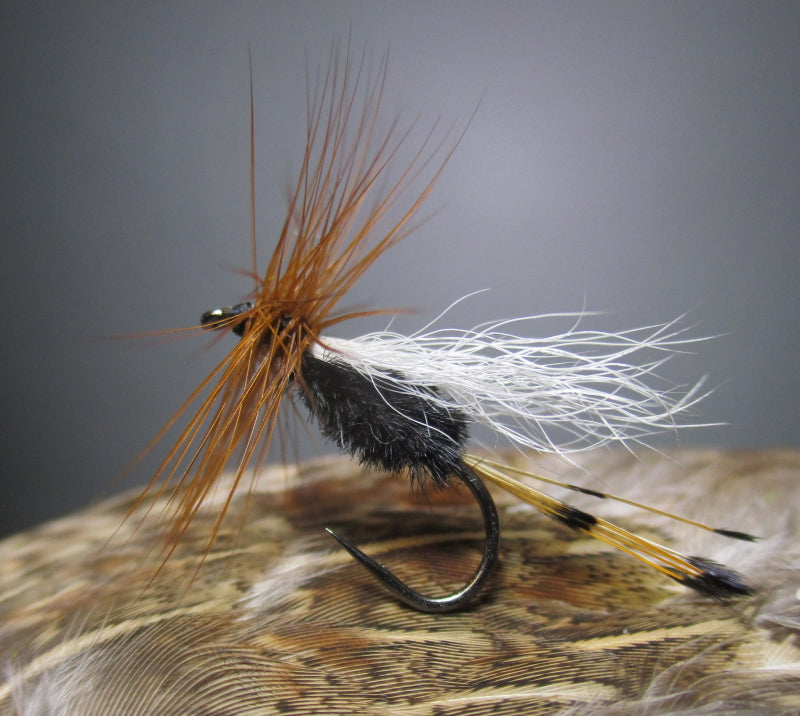
Another more recent book this pattern was featured in was Dave Hughes’ 1999 “Trout Flies” in which he had it with white calftail for a wing, tied Trude style. That’s the pattern we’re going to feature here.
The history of this pattern is not really known but we do know the Trude style of fly was created in 1906 by Carter Harrison from Chicago.
He came up with it while fishing on the Trude Ranch in Idaho so it's likely this fly was created sometime after that, perhaps as early as the 1920s. Maybe it was inspired by something as classic as the standard Coachman but with a white calftail wing tied Trude style.
We may never know the exact history but whatever the origin, it's a really cool looking fly and according to a few of the sources out there it's been a really effective fly.
Now this is not really a forgotten fly as there are a few references to it out there, but it does seem odd that it's not in more books.
Rio Grande Kind Fly Recipe
Recipe:
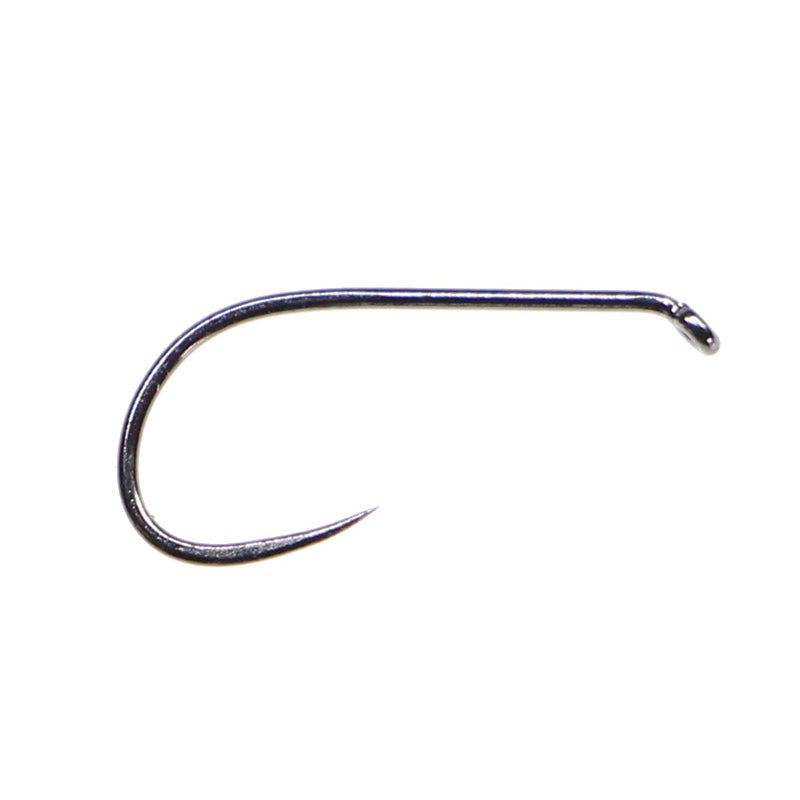
Hook: #12-14 dry fly
Thread: Black
Tail: Golden pheasant tippets
Body: Black chenille
Wing: White calftail, Trude style
Hackle: Brown dry fly
Comments
I have tied and successfully fished this fly all over the northwest since the 80’s. The white calfstail makes it very visible for the angler and the black body attractive to trout.
We recommended and sold a ton of these flies at Base Camp (RIP) in Santa Fe in the 80s and 90s. I guess I am now an “old timer” as after all these years it is still my go-to when all else fails. I don’t why it’s so effective, dry or sunken, but I know it deserves a return to popularity.
Chuck Fothergill said “A perennial favorite wet fly with Colorado fishermen, probably because it was created by a Denver angler, Jim Douglas, and because it has taken thousands of trout. Many old timers consider it the best fly they use. Normally tied in sizes 8 through 14, this fly offers extremely good visibility to fish on all water conditions. I would fish it upstream allowing a free float until the downstream swing starts. After the swing brings the fly directly downstream, jerk it upstream a few times and let drift back down. Repeat a couple of times before making next cast. When water is high during run-off, try fishing this pattern in the quiet water along shore.” I don’t know why he credits Jim Douglas of Denver.