




A low-water solution, fully road-tested
There are flies for high water. There are flies for technical spring creek presentations. There are flies for pressured fish, low-light conditions, and late-season browns that have seen everything.
And now, thanks to Tim Flagler, there is a fly for when the river simply doesn't have enough water in it to float one.
The Tightline Terrestrial Wheeler is a natural evolution of streamer design — part craft fur baitfish, part Clouser, part toy car. It is, as far as we can confirm, the only fly pattern in existence with a manufacturer's recommended tire pressure.
 Here's how to tie it:
Materials
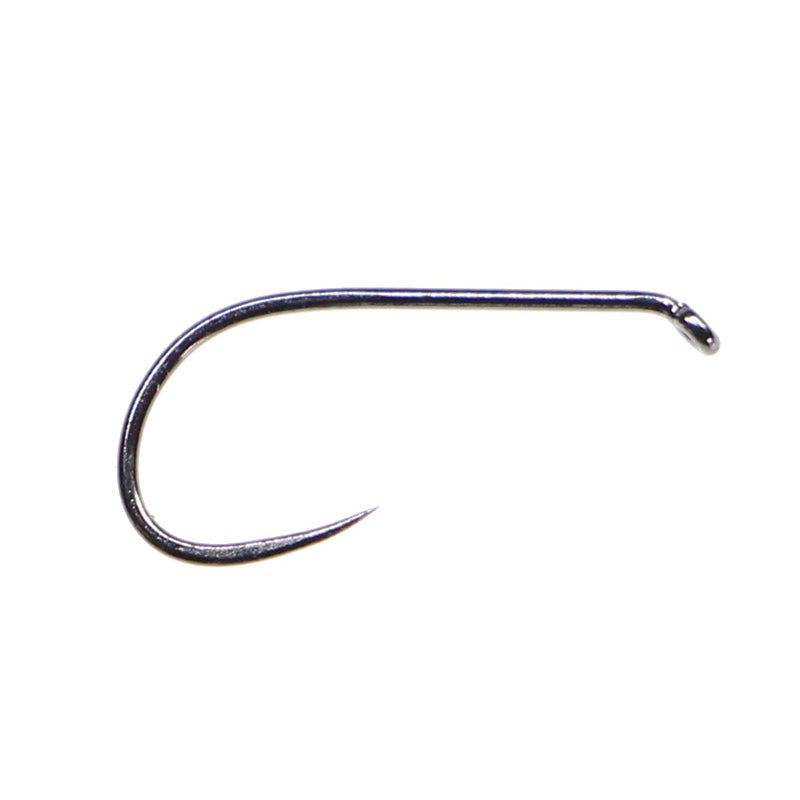
Hook: Any strong wire streamer hook, size 1/0–2/0. The hook serves primarily structural purposes in this pattern and will spend less time in water than you are used to.
Thread: 140 denier, red. It holds the axle. This is non-negotiable.
Body: White craft fur, generously applied. Long fibers preferred — they provide both profile and aerodynamic stability at rolling speeds.
Axle: One standard Hot Wheels replacement axle, trimmed to hook width.
Wheels: Two low-profile rims, black with red detail. Ensure they spin freely before committing. Wobble is acceptable. Binding is not.
Adhesive: Loon UV Clear Fly Finish, thin. Applied generously to the axle tie-in point. You are essentially building a small vehicle. Structural integrity matters.

Step 1 — Prepare your hook
Secure the hook in your vise as normal. Take a moment. This is the last normal thing about this pattern.
Step 2 — Lay down your thread base
Start your thread just behind the eye and work back toward the bend in tight, even wraps. This base will anchor both the body and the axle assembly. Use enough wraps. You will be surprised how much lateral force a rolling fly generates on the cast.
Step 3 — Tie in the craft fur body
Cut a generous clump of white craft fur and tie it in at the bend, extending well beyond the hook. Secure tightly and work your thread forward. The body should be full, even slightly excessive — on a fly that rolls, profile is everything.
Step 4 — Attach the axle
This is the step that isn't in any other tying guide, and for good reason. Position the axle perpendicular to the hook shank, roughly one-third of the way back from the eye. Bind it down firmly with tight crossing wraps in both directions. Apply a drop of UV resin and cure. Apply another drop. Cure again. Ask yourself if it feels secure. Apply one more drop.
Step 5 — Mount the wheels
Press one wheel firmly onto each end of the axle. Spin them to confirm free rotation. If a wheel is loose, a small drop of resin at the inner hub will tighten it without seizing the bearing. If both wheels seize, you have built a very small, expensive paperweight.
Step 6 — Finish the head
Build a small, neat thread head behind the hook eye. Whip finish. Apply head cement. Admire your work without letting anyone see you do it.

Tyer's Notes
Tim Flagler has said a great deal of useful things about fly tying over his distinguished career. "The water's so low you need a fly with wheels on it" is actually something Tim said in a discussion at the 2025 International Fly Tying Symposium. He was not serious.
Happy April Fools Day. The craft fur is real. The eyes and beads that inspired the wheel assembly are very much in stock — find the full collection [here].
Comments
Depending on the tire pressure, you can fish this on the surface or in it.
I usually tie mine with a Lego guy at the wheel, and if I’m feeling extra frisky I’ll glue some long flowing streamer hair on the Lego guy so it looks like he’s going fast. It is a convertible after all, so his hair would be blowing in the wind
I usually tie mine with a Lego guy at the wheel, and if I’m feeling extra frisky I’ll glue some long flowing streamer hair on the Lego guy so it looks like he’s going fast. It is a convertible after all, so his hair would be blowing in the wind