




It's about that time of year again where spring is in the air and the first mayflies are starting to make their presence known. It can be an exciting month for east coast anglers when the Maccaffertium vicarium is in your favorite stream. Pardon my eloquence in using the Latin nomenclature (which simply highlights the fact that I can use Wikipedia.) I'm talking about the March Brown here. A classic sailboat-looking mayfly that in many waters is the first of the year to hatch.

Are you tired of dry fly fishing with a #18 winter caddis or #20 midge? Well you're in luck if you're fishing waters with a March Brown hatch. These bugs are much bigger and and are commonly found in the #12-14 range.
Now there is no shortage of March Brown patterns out there. Every respectable tying book will have a version of it, and often in all varieties-- nymph, wet and dry. In fact, it first appeared in Dame Juliana Berners' "A Treatise on Fishing with an Angle" published in the 1490s.
I'm going with the wet version for this month's fly, with the recipe from Dave Hughes' "American Fly Tying Manual" published in 1986. His is a simple yet elegant pattern that I think Dame Berners would have been proud of.
Recipe
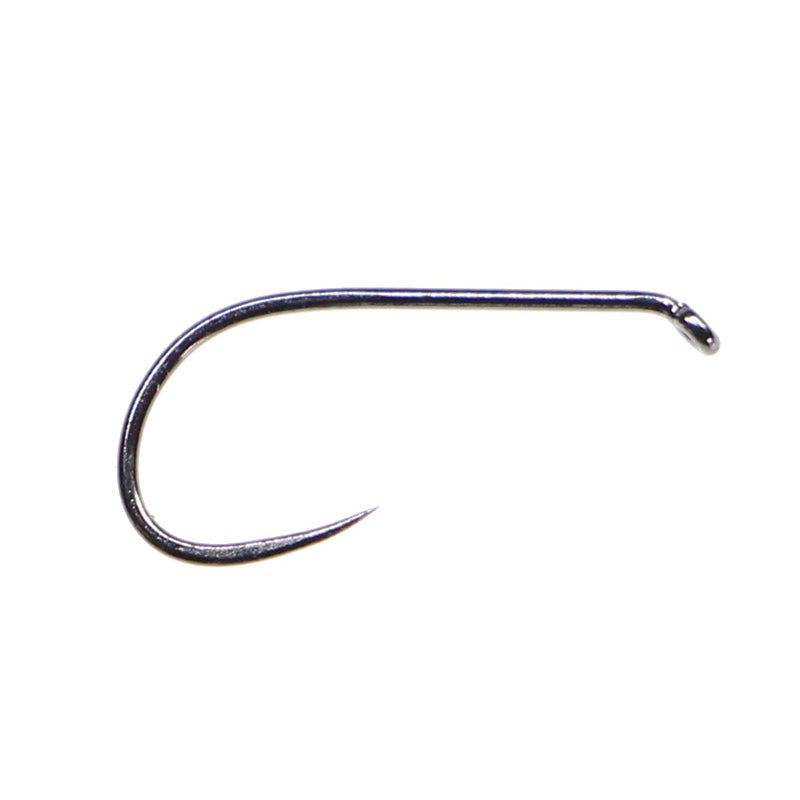
Hook: Core C1530 Wet Short Fly Hook, sizes #10–16
Thread: 8/0 UNI-Thread Waxed Midge — Tan
Tail: Ringneck Pheasant Tail Pair — Natural
Body: Natural Hare’s Mask
Hackle: Soft Hackle Hen Saddle Patch — Ginger
Wing: Duck Quill Pair — Brown
Comments
this is a comment on the fly tying book you said bug’s but you did a awesome job on the review. of that book. thanks .If you have a min to answer this and tell best place to obtain. Thanks William
Thank you very much for introducing to me something that I see as enjoyful, fun, and creative.